Six plain stories on the handmade work of the Four Corners and the land around it, written for people who want to look closely.
Rugs, silver and old pottery, and the country they come from
Around Farmington, where three rivers meet at the edge of the Navajo Nation, weaving, silversmithing and pottery are living work with long histories. These pages explain how the pieces are made, where to see them, and how to buy from the people who make them.
Start with the crafts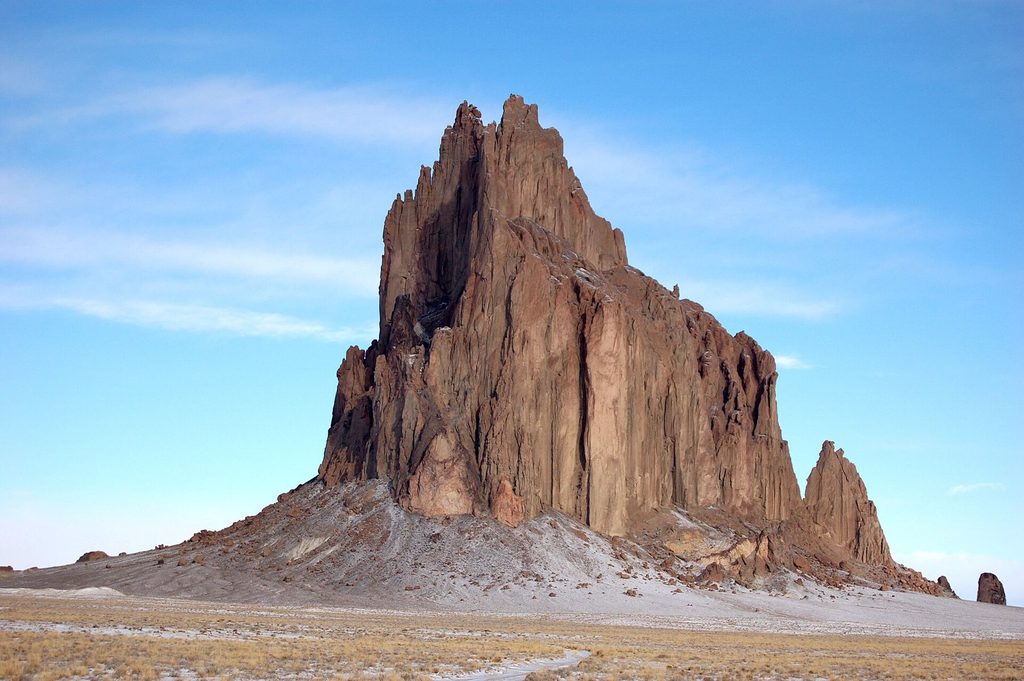
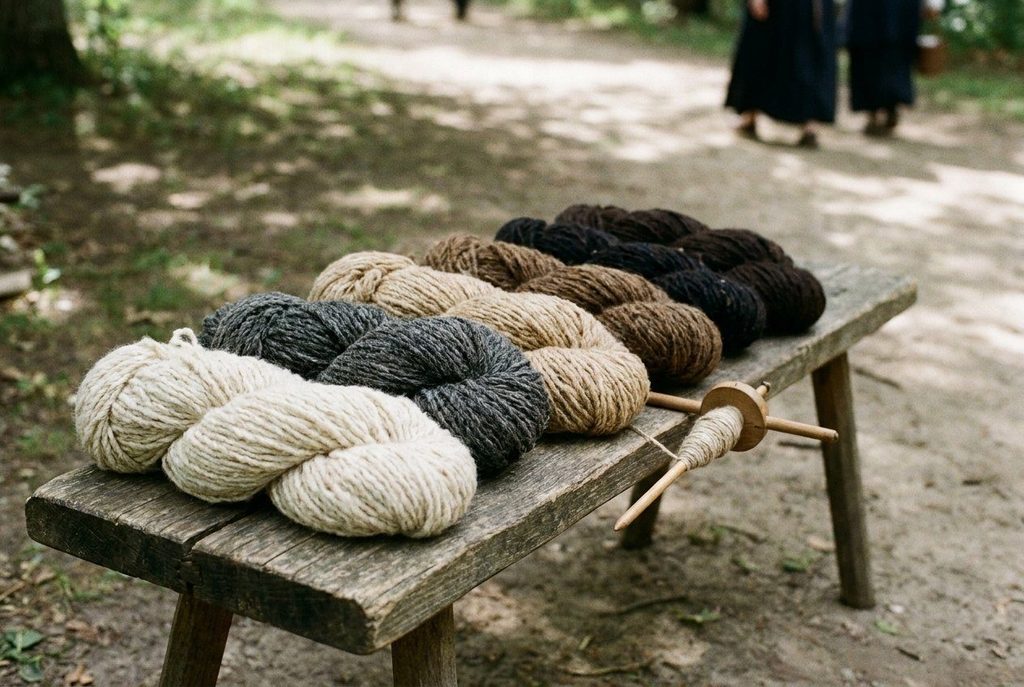
Two Grey Hills: rugs woven from undyed wool
In the foothills of the Chuska Mountains, Navajo weavers make some of the finest rugs in the Southwest without a drop of dye: only the colours the sheep grow.
The style uses only the natural colours of the fleece, carded together into a dozen greys and browns, and packs so many threads into each inch that the finest pieces feel like heavy cloth.
Read about the rugsAll six stories
Three on the crafts, three on the places. Read them in order or start wherever you are headed.
- 1Made by hand
Two Grey Hills: rugs woven from undyed wool
In the foothills of the Chuska Mountains, Navajo weavers make some of the finest rugs in the Southwest without a drop of dye: only the colours the sheep grow.
- 2Made by hand
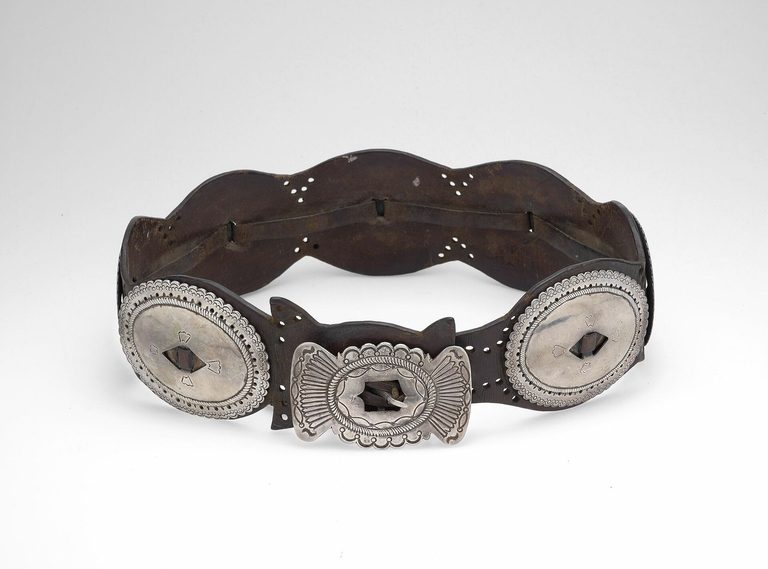
Silver and turquoise: how Navajo silversmithing began
Navajo silverwork is younger than many people think. It began in the middle of the 1800s with a few smiths, coin silver and tools made from scrap iron.
- 3The country around it
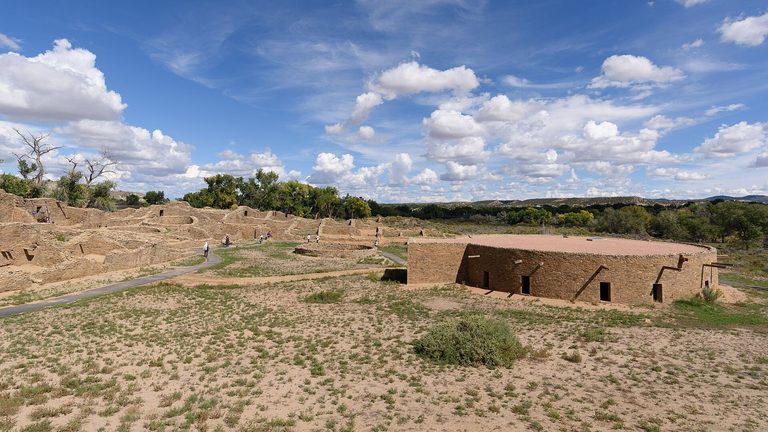
Black on white: the old pottery of Aztec and Salmon Ruins
Two great houses on the rivers near Farmington were built in the years around 1100. Their potters left behind the clearest record of who lived there and when.
- 4The country around it
Shiprock and the Bisti: the land the painters keep coming back to
A dark volcanic peak alone on the plain, and a wilderness of striped clay hills an hour south: two landscapes that have drawn painters and photographers for a century.
- 5The country around it
Farmington, where three rivers meet
The Navajo name for the place means among the waters. Three rivers join here, and the green strip they make runs right through the middle of a desert town.
- 6Made by hand
Buying Native-made work without guessing
A rug, a bracelet or a pot made by hand carries the maker's time and skill. A few plain questions help you know what you are buying and who you are paying.
Made by hand
Weaving, silver and the questions to ask before you buy: how the handmade work of the Four Corners is made.
The country around it
The ruins, rivers and open land around Farmington that the region's makers grew up with and still work from.